

Passwords alone are no longer enough in 2026. Understand the “Identity as a Perimeter” concept and how Zero Trust security protects your digital assets from advanced hackers and AI deepfakes.
1. The Death of the Traditional Firewall
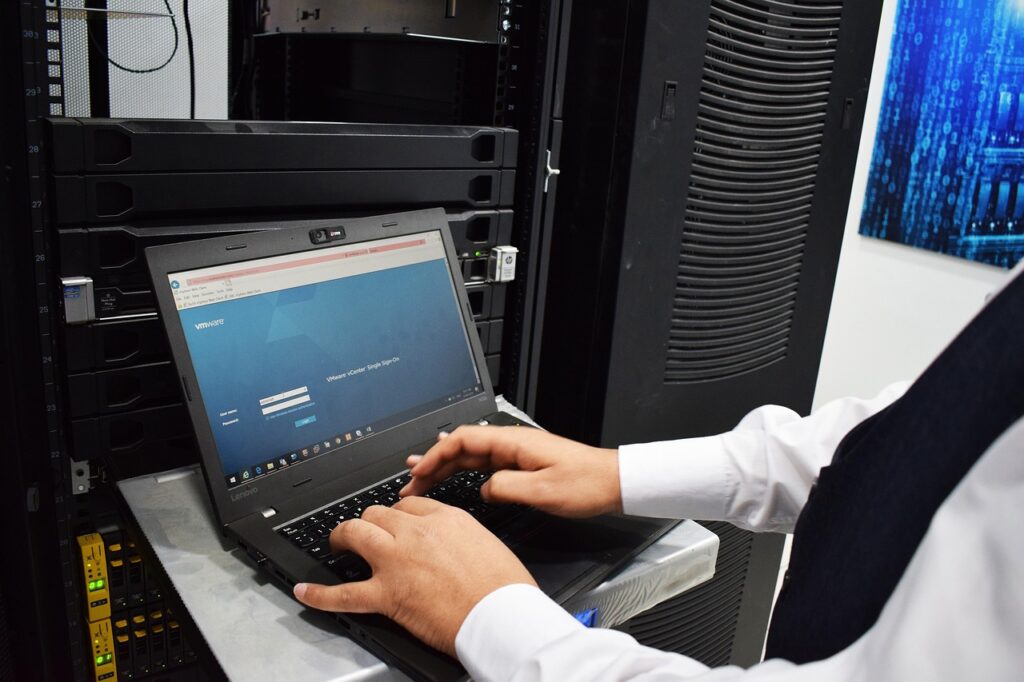
There was a time when a strong firewall and updated antivirus were considered a complete fortress for your digital life. However, in 2026, the strategy of cybercriminals has shifted from “breaking in” to “logging in” using legitimate but stolen credentials. When your identity—the core of your access—is compromised, even the most expensive hardware firewall becomes completely irrelevant and invisible to the intruder.
Now, a new gold standard has emerged: Identity is the Perimeter. This means that every single login request is treated as a potential threat until it is verified through multiple, context-aware layers of authentication. It is no longer about guarding the network’s edge; it is about guarding the user’s specific digital footprint at every single touchpoint.
2. Why “Unbreakable” Passwords are Failing
While we previously discussed high-level security in The Password Protocol, the reality of 2026 is that AI-powered brute force attacks have reached terrifying speeds. A complex 12-character password that used to take years to crack can now be dismantled in a matter of hours by sophisticated machine-learning algorithms. This makes the traditional concept of a “secret string of text” a weak link in your personal security chain.
The true solution lies in the transition to Passkeys and Biometric Security, which use cryptographic keys stored locally on your devices. These methods ensure that even if a database is leaked, your actual credentials remain hidden because they were never stored on a server to begin with. In 2026, password-less authentication is not just a modern convenience; it is a critical defensive necessity against automated hacking.
3. Zero Trust Architecture: Trust No One

The core philosophy of Zero Trust is deceptively simple: “Never trust, always verify.” It operates on the assumption that a breach has already happened or is always imminent, regardless of whether a user is connecting from their home Wi-Fi or a secure office. Every device, every connection, and every user must prove their identity repeatedly through a series of silent, background checks that don’t interrupt the workflow.
When you utilize advanced Security Tools, they work behind the scenes to verify your “Security Context” in real-time. They analyze whether your login location has suddenly jumped across continents or if your typing rhythm and mouse movements seem robotic or unusual. If any anomaly is detected, the system immediately demands a higher level of verification, effectively neutralizing threats before they can move laterally through your data.
4. The Threat of AI Deepfakes and Identity Theft

As we move further into 2026, hackers have moved beyond just stealing text; they are now weaponizing your voice and face through high-fidelity AI deepfakes. These tools can bypass traditional video or voice verification systems, making it incredibly difficult for standard security measures to distinguish between a real human and a generated imitation. This evolution of identity theft requires a much more robust and multi-dimensional approach to personal protection.
To counter this, the use of Encrypted Communication and hardware-based security keys (like a YubiKey) has become indispensable for anyone serious about their privacy. These physical tokens provide a level of “cold storage” for your identity that digital software simply cannot replicate or spoof with AI. By integrating these into your routine, you build a physical barrier that AI-generated attacks cannot cross, no matter how realistic they appear.
5. Security Tool Stack for 2026

Protecting your digital existence today requires a “Layered Defense” strategy where multiple tools work in harmony to cover each other’s blind spots. You can manage this complex ecosystem by selecting the right Digital Utilities that prioritize user privacy over data harvesting. A modern stack isn’t just about having many tools; it’s about having the right tools that communicate with each other to form a cohesive shield.
Your 2026 security stack should ideally include:
- Passkey Managers: Tools that leverage biometrics to replace traditional passwords entirely across all platforms.
- Zero-Knowledge VPNs: Services that ensure your traffic is encrypted end-to-end, meaning even the provider cannot see your data.
- Hardware Authenticators: Moving away from vulnerable SMS-based codes toward physical keys or encrypted app-based tokens.
6. Digital Sovereignty: Taking Back Control
True “Digital Sovereignty” is the ability to own your data and dictate who has access to your identity at any given moment. By carefully choosing your Web Tools, you are making a conscious decision to move away from centralized platforms that treat your personal information as a tradable commodity. It is about reclaiming the power to be invisible when you want and protected when you need to be.
When you implement these strategies, you aren’t just following a trend; you are building a resilient digital legacy that can withstand the shifting tides of cyber warfare. This proactive approach ensures that your online presence remains an asset rather than a liability. Sovereignty begins with the tools you trust and the boundaries you set for your personal information.
7. Conclusion: The Human Firewall
Technical tools and advanced algorithms provide the foundation, but the most critical component of any security system is the “Human Firewall”—the person behind the screen. No amount of encryption can save a user who ignores basic security hygiene or falls for sophisticated social engineering tactics. Staying educated and skeptical is the final, and perhaps most important, layer of defense in the 2026 digital landscape.
In our Cyber News section, we continuously track these emerging threats and provide the latest updates on how to stay ahead of the curve. By combining cutting-edge technology with a vigilant mindset, you can navigate the internet with the confidence that your identity is truly your own. Secure your perimeter today, because in the digital world, your identity is the only thing that truly belongs to you.





Leave a Reply