
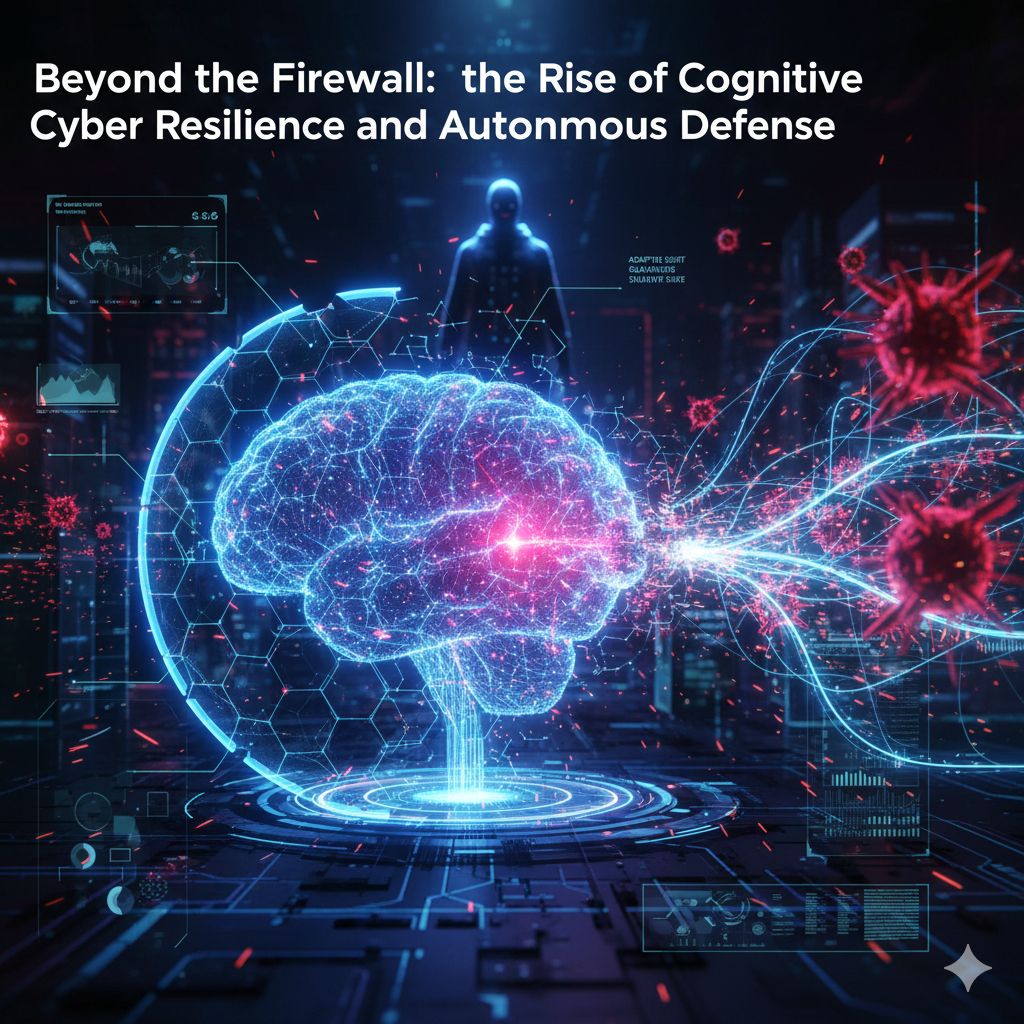
In the rapidly evolving digital landscape, the traditional concept of “Cybersecurity” is becoming obsolete. For years, organizations relied on a “Castle and Moat” strategy building high walls (firewalls) and hoping the enemy stayed outside. However, in an era where threats are powered by Generative AI and automated botnets, a static wall is no longer enough.
We are now entering the age of Cognitive Cyber Resilience. This isn’t just about stopping an attack; it’s about building a digital nervous system that predicts, absorbs, and recovers from threats autonomously.
1. The Shift from Reactive Security to Cognitive Intelligence
Traditional security systems are “Reactive.” They wait for a signature match or a known virus pattern before acting. The problem? 90% of modern malware is polymorphic, meaning it changes its code every time it infects a new device.
Cognitive Security leverages Machine Learning (ML) and Natural Language Processing (NLP) to mimic human reasoning. It doesn’t just look for “bad files”; it looks for “bad behavior.”
- Contextual Awareness: It understands the difference between a developer running a heavy script and a hacker exfiltrating a database.
- Continuous Learning: Every blocked attempt makes the system smarter, creating a feedback loop that evolves faster than the hackers.
2. The Silent Threat: Shadow IT and the Expansion of the Attack Surface
Your infrastructure is no longer just your servers. It includes every employee’s smartphone, every cloud-based SaaS tool, and every “Shadow IT” application used without official approval.
Why Shadow IT is a Goldmine for Hackers:
- Unpatched Vulnerabilities: Apps like unauthorized PDF converters or project management tools often bypass corporate security updates.
- Data Leakage: Employees may inadvertently upload sensitive company data to insecure public clouds.
- Credential Stuffing: If an employee uses their corporate password on a weak personal site, hackers can use it to enter your main network.
A cognitive approach uses Automated Asset Discovery to constantly scan the perimeter, identifying every “Ghost” device and bringing it under the umbrella of protection.
3. Adaptive Trust: The Evolution of Zero Trust Architecture
The “Zero Trust” model (Never Trust, Always Verify) was a great start, but in 2026 and beyond, we need Adaptive Trust.
| Aspect | Zero Trust (Static) | Adaptive Trust (Dynamic) |
| Verification | At login only. | Continuous, based on behavior. |
| Access | Binary (Yes/No). | Granular (Partial access based on risk). |
| Response | Block user. | Step-up authentication (MFA) or throttle speed. |
If a user’s behavior suddenly deviates—for example, accessing folders they’ve never opened before—the system doesn’t just kick them out. It dynamically increases the security requirements, asking for biometric verification or limiting their download speed in real-time.
4. Securing the “Achilles’ Heel”: Deep API Inspection
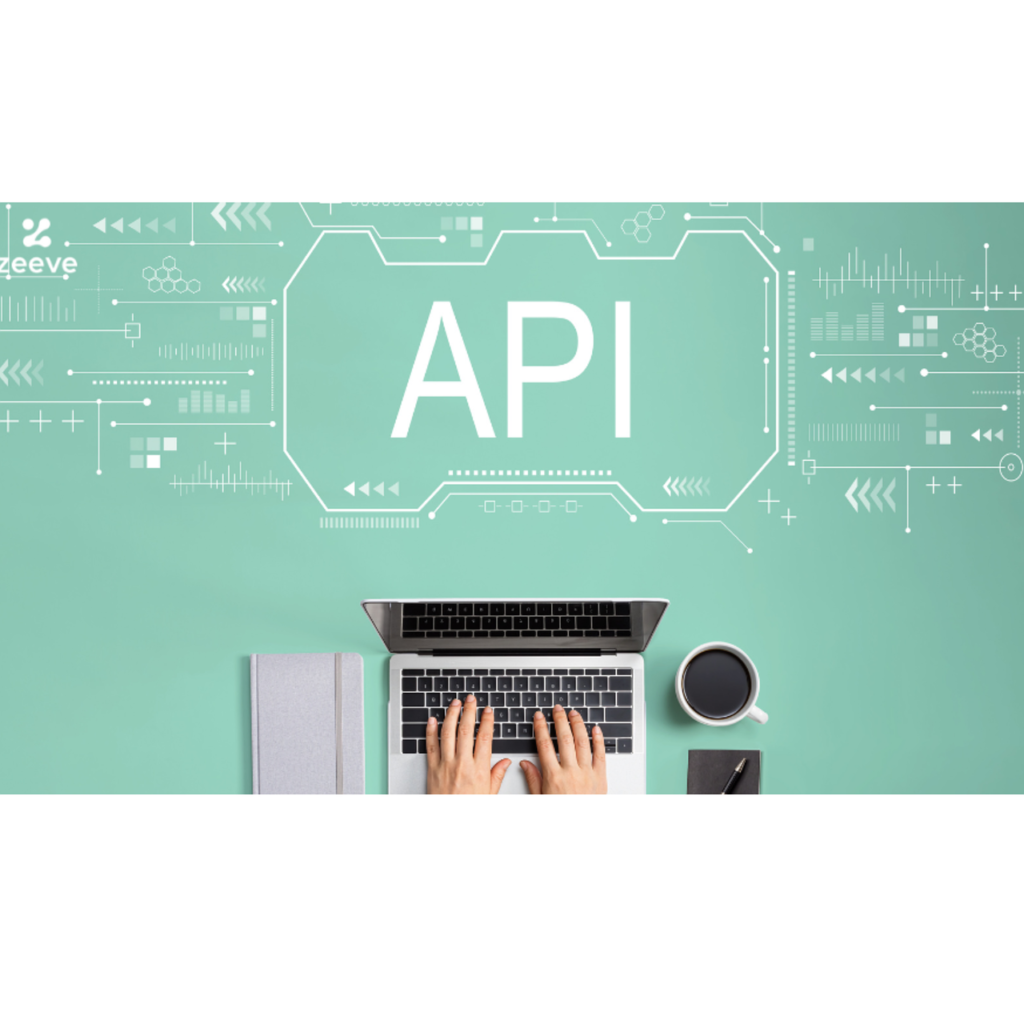
Modern web architecture is built on APIs. As noted in the industry, APIs are the most targeted vector because they provide a direct path to the “Crown Jewels”—your data.
Cognitive Defense for APIs involves:
- Traffic Baselining: Learning the normal “rhythm” of API calls.
- Anomaly Detection: Detecting “BOLA” (Broken Object Level Authorization) attacks where a hacker tries to manipulate IDs to access other users’ data.
- Schema Validation: Ensuring that every piece of data entering the API matches the exact predefined format, blocking “Injection” attacks instantly.
5. Preparing for the “Q-Day”: Quantum-Resistant Cryptography

While still emerging, the threat of Quantum Computing is real. Hackers are currently practicing “Store Now, Decrypt Later.” They steal encrypted data today, waiting for the day a Quantum Computer can crack it in seconds.
To be truly resilient, organizations must begin the transition to Post-Quantum Cryptography (PQC). This involves using mathematical problems that even quantum bits (qubits) cannot solve easily. Implementing these standards now is the only way to “future-proof” your data’s privacy.
6. The Human Element: Building a “Security-First” Culture
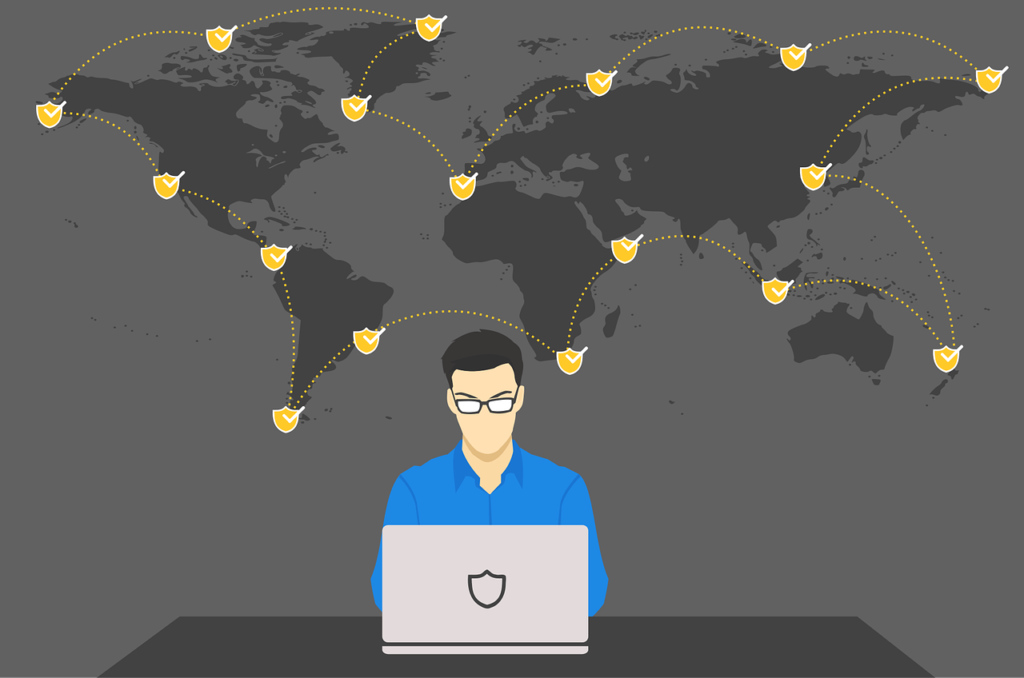
No matter how advanced the AI, the “Human Factor” remains the most common entry point for breaches. Phishing has evolved into “Whaling” and “Deepfake Fraud.”
- Deepfake Defense: Training executives to recognize AI-generated voice and video calls.
- Gamified Training: Instead of boring lectures, use simulated attacks to reward employees who identify threats.
- Psychological Safety: Encouraging employees to report a mistake immediately without fear of punishment, allowing the IT team to contain the breach before it spreads.
7. Autonomous Incident Response: The Self-Healing Network
The ultimate goal of Cognitive Resilience is the Self-Healing Network. Imagine a scenario where a ransomware strain enters a laptop. Before it can encrypt a single file:
- The AI detects the unusual encryption activity.
- It isolates the laptop from the local network.
- It creates a “Snapshot” of the clean data.
- It alerts the security team with a full forensic report.
All of this happens in milliseconds, long before a human analyst could even open their laptop.
Conclusion: The Strategic Advantage of Resilience
Cybersecurity is no longer a “cost center”; it is a competitive advantage. Clients and partners will only work with platforms they trust. By moving from a mindset of “fighting fires” to “preventing sparks,” CybrTools positions itself as a leader in the digital age.
The future belongs to the resilient those who don’t just survive an attack but emerge stronger because of it.




Leave a Reply