
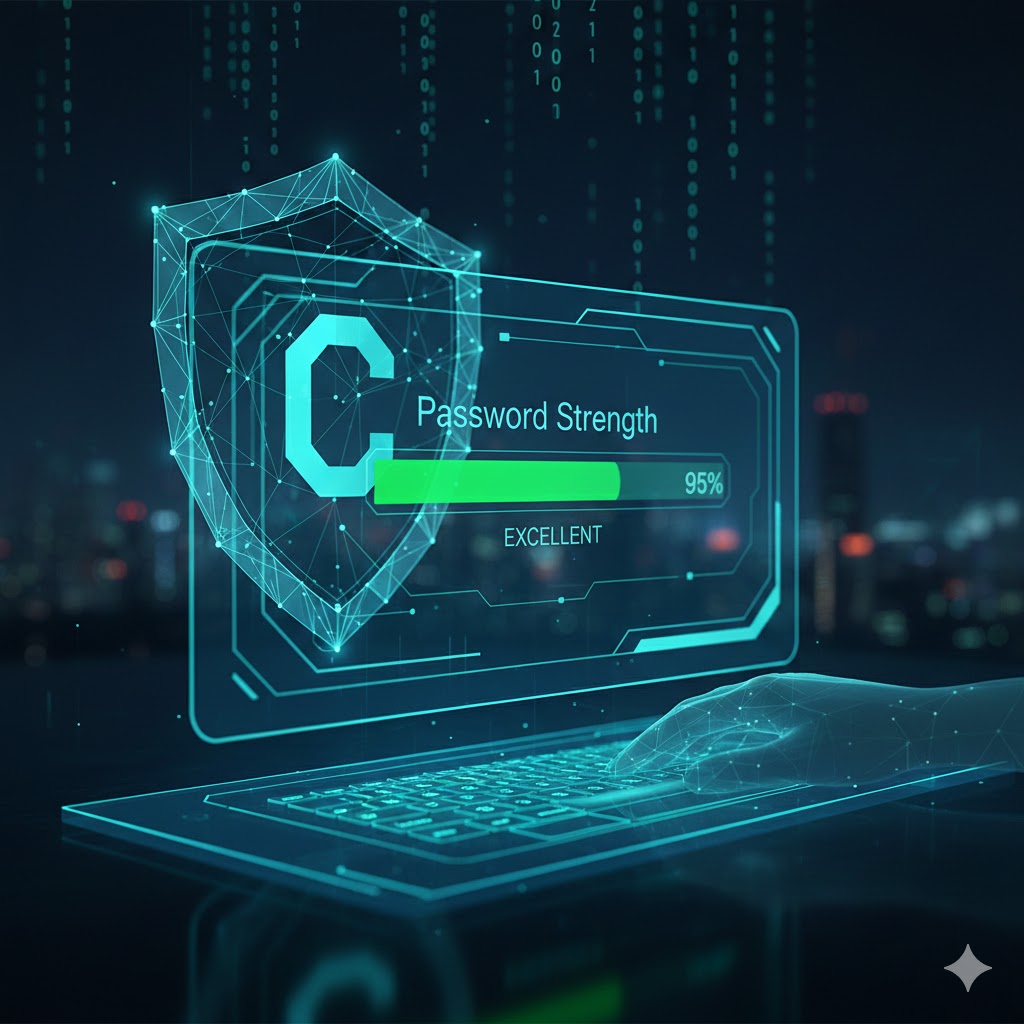
Today’s hyper-connected digital landscape, our entire lives from financial records to private memories are guarded by a single string of characters: the password. But the critical question remains: Is your password truly robust enough to withstand modern cyber threats?
Can a 16-character password still be hacked? Ans: While a 16-character password is exponentially harder to crack via “Brute Force,” it can still be stolen through Phishing (fake websites) or Keyloggers. That is why combining a long password with Two-Factor Authentication (2FA) is essential.
According to recent cybersecurity benchmarks, over 80% of data breaches in 2026 are still linked to weak or recycled passwords. In this guide, we will explore how a Password Auditor Tool can be your first line of defense and what password security looks like in the age of advanced AI hacking.
1. The Reality of Password Security in 2026

The days of using “123456” or “password123” are long gone. Today, hackers utilize AI-driven brute-force tools that can test billions of combinations in milliseconds. If your password is weak, you aren’t just at risk; you are a target.
To build a complete shield around your online presence, we highly recommend reading our detailed roadmap: How to Secure Your Digital Identity: A Step-by-Step Guide for 2026.
2. What is a Password Auditor Tool?
A Password Auditor Tool is a sophisticated utility designed to analyze the complexity, length, and vulnerability of your credentials. Unlike a simple strength bar, a professional auditor provides:
- Time-to-Crack Analysis: Estimates how long it would take for a computer to guess your password.
- Pattern Recognition: Identifies if you are using predictable keyboard patterns (like “qwerty”) or common dictionary words.
- Breach Database Check: Cross-references your password against known leaked databases to see if it has already been compromised.
3. How to Construct an Unbreakable Password
In 2026, the standard for a “strong” password has evolved. Use these expert strategies to stay ahead of hackers:
A. Length Over Complexity
While special characters are important, length is the ultimate deterrent. A 16-character password made of simple words is often harder to crack than an 8-character password with complex symbols.
B. The Entropy Formula
A truly secure password should be a random mixture of:
- Uppercase & Lowercase Letters (e.g., A, b, G, z)
- Numerical Digits (e.g., 0-9)
- Special Symbols (e.g., @, #, !, %, ^)
C. Avoid Personal Identifiers
Never include your name, birth year, pet’s name, or city. Modern hackers use “Social Engineering” to scrape your social media profiles and use that data to guess your passwords.
4. Common Pitfalls: Are You Making These Mistakes?

- Password Recycling: Using the same password for your Facebook, email, and bank account. If one gets hacked, they all do.
- Browser Auto-Fill: While convenient, saving passwords directly in a browser can be risky if your device is compromised.
- Predictable Substitutions: Replacing “a” with “@” or “s” with “$” is no longer enough; hackers’ algorithms already account for these common swaps.
5. Password Auditor vs. Password Manager

It is important to understand the difference between these two essential tools:
- Password Auditor: Evaluates your existing passwords and tells you where the weaknesses are.
- Password Manager: Generates new, complex passwords and stores them in an encrypted digital vault. Using both in tandem provides the highest level of security.
6. Implementing Two-Factor Authentication (2FA)
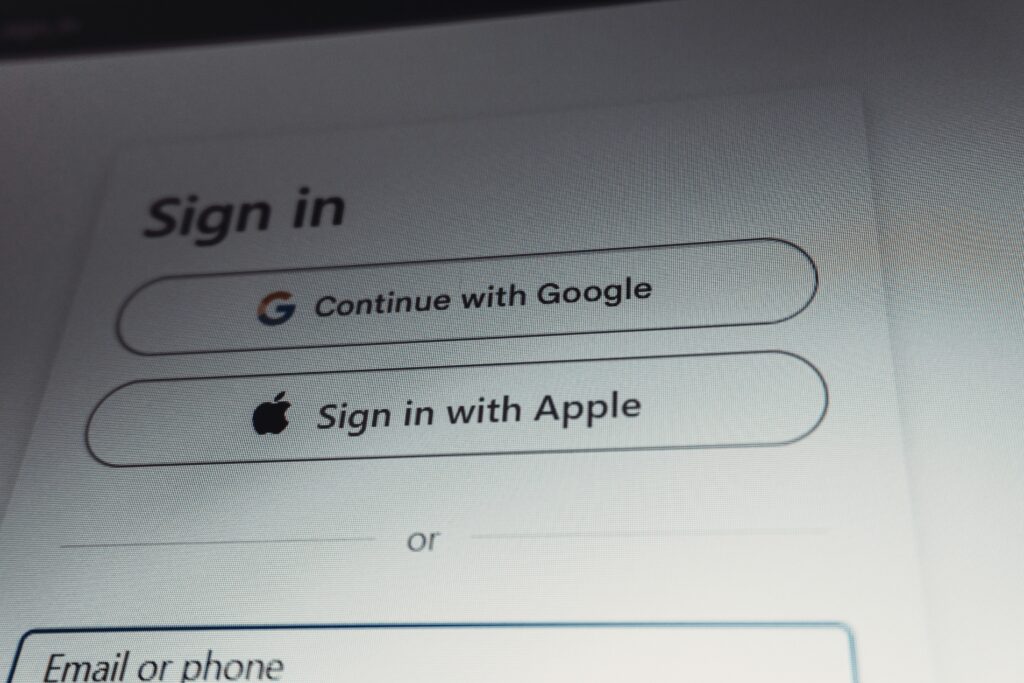
A password, no matter how strong, should never be your only defense. In 2026, 2FA is non-negotiable. Whether it’s an SMS code, an authenticator app (like Google Authenticator), or a biometric scan, 2FA ensures that even if a hacker steals your password, they cannot access your account without that second physical “key.”
7. How to Use the CybrTools Password Auditor
Our tool is designed with user privacy at its core.
- Input: Enter your password into the auditor field.
- Evaluation: Our algorithm checks for length, character variety, and common patterns.
- Result: You receive a security score. If it’s below “Excellent,” it’s time for an update. Note: We never store or transmit your passwords. The audit happens locally in your browser.
Conclusion: Take Command of Your Security
Digital security is not a “set it and forget it” task—it is a continuous practice. By using a Password Auditor Tool, you are taking a proactive step toward protecting your digital footprint. Don’t wait for a notification that your account has been breached.
Audit your passwords today, implement 2FA, and stay informed on the latest cyber trends through CybrTools.





Leave a Reply