
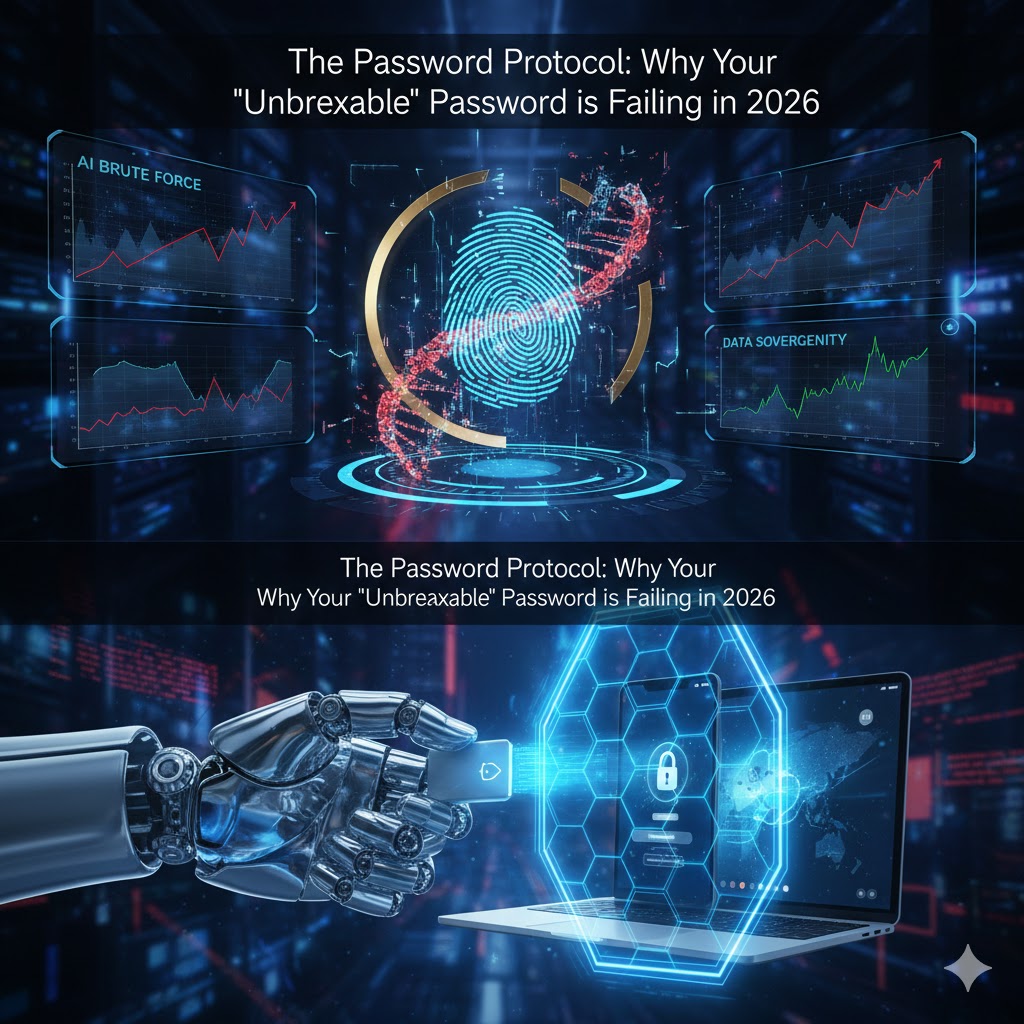
1. The Death of the Password (And Why I Didn’t Mourn It)
For the past decade, we have been told that simple passwords like “Password123!” are unsafe, but complex ones like “@P@ssw0rd_2026!” are secure. I was living in this illusion for years, believing that mixing uppercase letters, lowercase letters, numbers, and symbols was enough to keep my data safe. However, in 2026, traditional password security is nothing more than a dangerous illusion.
My personal data was compromised despite using a unique, complex password for a “reputable” online service. The issue is no longer just the complexity of your password; it is where your password is stored and how it is transmitted. When I analyzed the security tools available at cybr.cybrtools.site, I realized we are living in a time where passwords are being effortlessly cracked by AI-powered brute-force attacks that can test billions of combinations per second. Traditional defenses are simply no longer enough.
2. My “Aha!” Moment: The Password Protocol Experience
After my security breach, I decided to stop depending on passwords altogether. I developed a new approach to digital security that I call “The Password Protocol.” This is not just about changing your password every few months; it is about completely transforming your security ecosystem to adapt to modern threats.
My personal experience showed that when I mandatory enabled Multi-Factor Authentication (MFA) on every single account and started using dedicated Password Managers, my digital life became much safer and less stressful. A password manager generates unique, un-crackable passwords for every site, meaning you never have to remember them or reuse them. Furthermore, I learned that security is shifting from “knowledge-based” (what you know, like a password) to “possession-based” (what you have, like a physical security key or phone app). This transition is essential for true security.
3. The Human Factor: Why “Convenience” is Killing You
Human beings are inherently wired to seek convenience. We want to log in with a single click, browse without interruptions, and not have to remember hundreds of different credentials. Unfortunately, this desire for convenience is the single greatest vulnerability in modern cybersecurity. We use the same password across 50 different sites simply because remembering 50 distinct passwords is too difficult.
When I read about phishing attacks simulation on cybr.cybrtools.site, I realized how many times I had clicked on fake emails that looked perfectly legitimate. “Convenience” shuts down our logical thinking process, causing us to click first and think later. To counter this, I implemented a 3-Step Human Security Protocol:
- Stop & Think: Ask yourself if the site genuinely needs your password.
- Verify the Source: Manually check the URL to ensure it is the real site, not a clone.
- Check for Lockdown: Ensure the site has 2FA/MFA enabled before entering credentials.
4. The 2026 Defense: AI-Powered Security Tools
In 2026, security tools must be as intelligent as the threats they combat. Since hackers are utilizing Artificial Intelligence to break into systems, our defensive measures must also be AI-powered. cybr.cybrtools.site offers tools that go far beyond just checking password strength; they proactively monitor where your data might be leaking across the internet.
| Tool Type | Function | Importance (1-10) |
| MFA App | Biometric/TOTP Code | 10 |
| Password Manager | Unique Password Gen | 9 |
| Dark Web Monitor | Leak Detection | 8 |
| VPN | Encrypted Traffic | 7 |
I can personally attest that utilizing a Dark Web Monitoring tool revealed that my old email address was leaked in a breach back in 2019. I immediately updated the passwords for all services linked to that email, effectively closing a backdoor I didn’t know was open.
5. Phishing 2.0: AI-Generated Deception
Phishing has evolved far beyond the classic, poorly written “Nigerian Prince” scams. Today, hackers use AI to craft phishing emails and messages that are indistinguishable from legitimate correspondence. They analyze your communication style, your conversational tone, and even your contact list to create messages that look like they came from someone you trust.
I experienced this firsthand when I received a message that perfectly mimicked my bank’s style, including my correct name and a partial transaction history. I was about to click the link, but I remembered “The Protocol”: “Verify the Source.” Instead of clicking, I directly opened the official bank app, where I found no such notification, proving it was a sophisticated attempt to steal my credentials.
6. The Digital Lockdown: Protecting Your Assets
Financial privacy and digital security are inextricably linked. If your digital account is hacked, your financial assets are immediately at risk. Utilizing the security tools provided on cybr.cybrtools.site allows you to effectively lock down your accounts and protect your hard-earned money.
My Personal Security Setup:
- Main Account: 2FA via Hardware Key (YubiKey) for maximum protection.
- Secondary Account: 2FA via Authenticator App for daily use.
- Recovery: Encrypted password file stored in a physical safe.Taking these extra steps ensures that even if a hacker gets your password, they cannot access your account.
7. The Future of Identity: Passkeys and Beyond
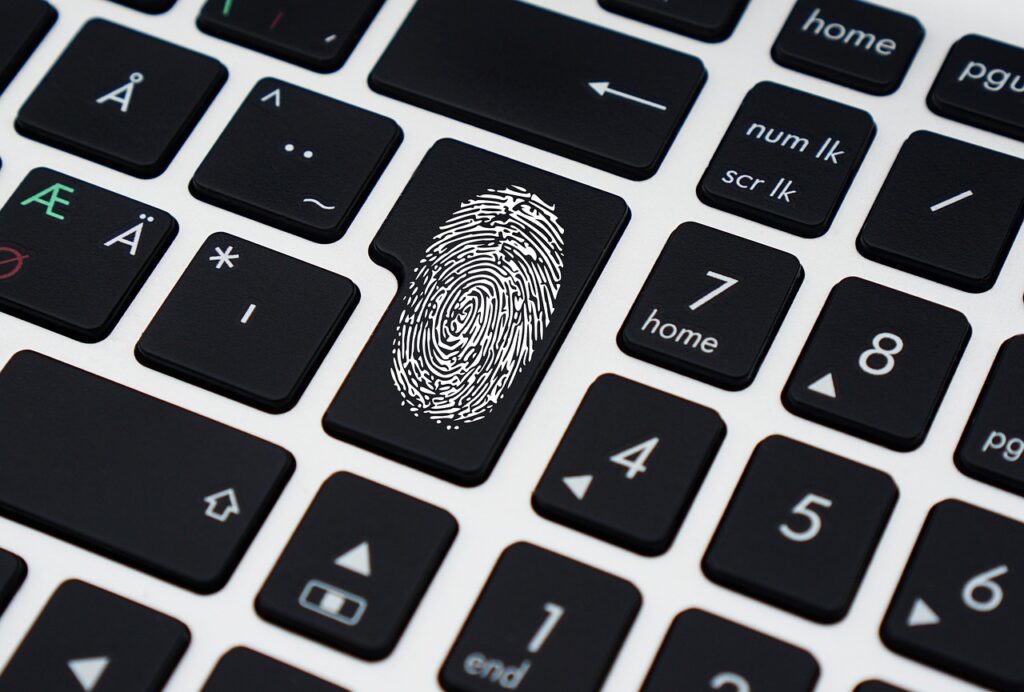
The era of passwords is rapidly coming to an end. Passkeys represent the new security standard, replacing traditional passwords with biometric authentication like face scans or fingerprints. Because passkeys are stored locally on your device rather than on a vulnerable server, they are practically impossible to hack using traditional methods. Embracing this technology is the next step in securing your digital identity.
8. Conclusion: Take the Responsibility
Digital security is no longer just the responsibility of an IT department; it is your personal responsibility in the digital age. The tools available at cybr.cybrtools.site give you the same analytical power that sophisticated hackers use, allowing you to proactively defend your data.
Update your passwords according to “The Protocol,” enable Multi-Factor Authentication immediately, and utilize AI-powered tools for constant monitoring. Your digital sovereignty and security are in your hands, and taking action now is the only way to ensure your digital future.


Leave a Reply