
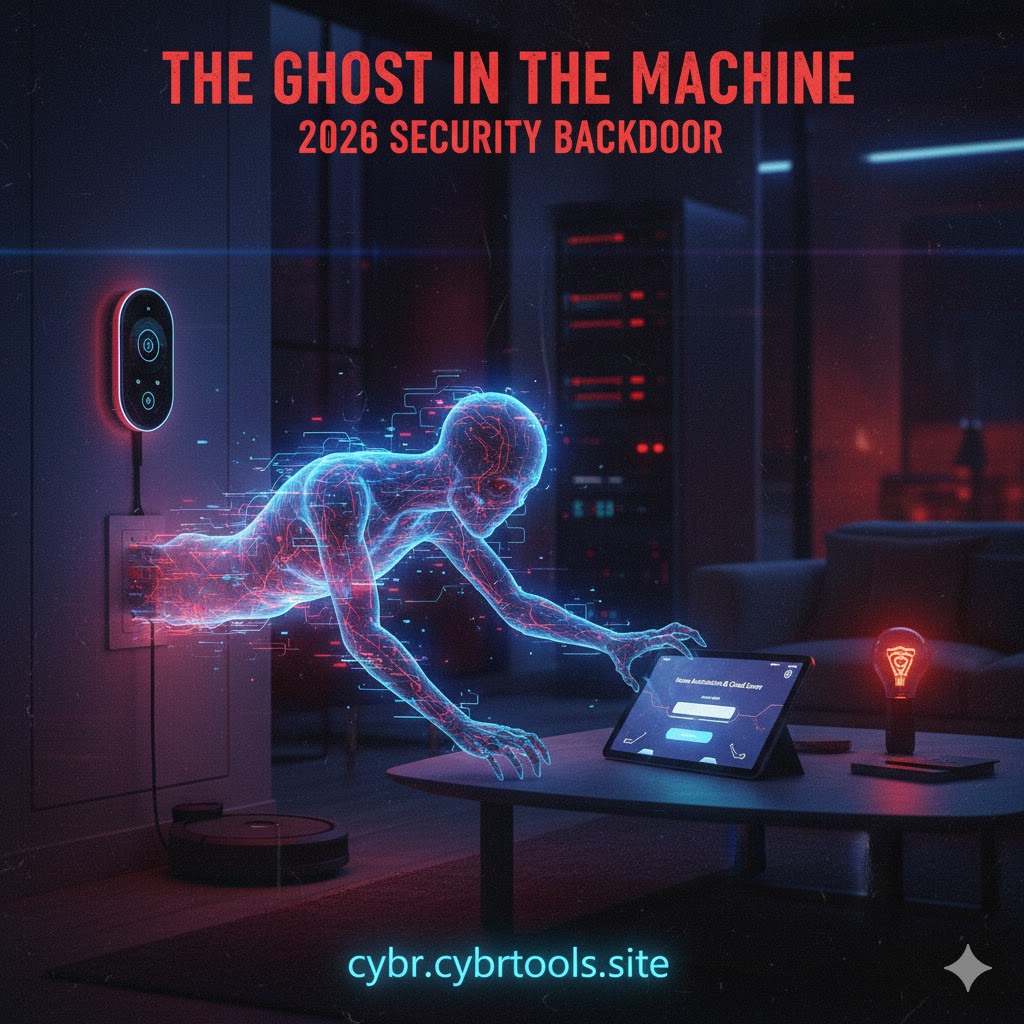
My Personal Experience: The Day My “Fastest Site” Was Hacked
A few months ago, I was obsessed with Core Web Vitals. I installed every Web Tools plugin available to shave off milliseconds edge caching, automated script minification, and third-party CDNs. My site was lightning fast, scoring a perfect 100 on every test. But while I was celebrating, a “Shadow API” vulnerability was being exploited through a misconfigured optimization script.
I remember the chill I felt when I saw my server logs filled with unauthorized access requests originating from the very CDN I thought was protecting me. Because I had prioritized speed, I bypassed a critical security layer in my Security Tools stack. The result? A data leak that cost me more in reputation than those extra milliseconds ever earned me in traffic. I learned the hard way that in 2026, a fast site is useless if it’s an open door for ransomware.
1. The Need for Speed vs. The Need for Shields (Expanded)

In the modern digital landscape, user experience is king, and speed is its crown. We use Digital Utilities to compress images, lazy-load scripts, and pre-render pages. However, every time you add an optimization layer, you introduce a new intermediary a “middleman” that has access to your data. These intermediaries often operate with elevated permissions, creating a “Speed-Security Tradeoff.”
When you minify JavaScript using third-party Web Tools, you are essentially trusting an external service with your source code. If that service is compromise as seen in recent Cyber News reports your “optimized” code could be injected with malicious payloads. In 2026, hackers aren’t breaking into your house; they are hiding inside the delivery truck you hired to make things faster.
2. Edge Caching: A Double-Edged Sword (Expanded)

Edge computing is the gold standard for performance. By moving content closer to the user, we reduce latency and keep users engaged. But edge nodes often lack the robust Security Tools found in a centralized origin server.
Attackers are now targeting these edge locations to perform “Cache Poisoning.” They trick the optimization tool into storing a malicious version of a page, which is then served at high speed to thousands of users. Because the tool is designed to serve content “fast” without constant re-verification, it doesn’t always see the “Ghost-in-the-Shell” threat hiding in the code. This creates a hidden backdoor where a legitimate Digital Utility becomes a high-speed delivery vehicle for malware.
3. Third-Party Script Bloat: The Optimization Paradox (Expanded)

Ironically, many tools meant to speed up your site actually slow down your security posture. We use Web Tools to manage tags and pixels, but each script is a potential entry point for a $1.2 trillion hidden crisis.
In 2026, “Magecart” style attacks have evolved into “Identity Hijacking.” Hackers no longer target your main server; they target the Digital Utilities you use for analytics or A/B testing. By compromising a single optimization plugin, they gain access to every site using that tool. This is why at cybr.cybrtools.site, we advocate for a “Security-First” approach to performance. Your optimization pipeline should be as locked down as your root directory.
4. Security Tools: Hardening Your Optimization Pipeline (Expanded)

You don’t have to sacrifice speed, but you must audit your Security Tools with surgical precision. To close the backdoors, you need more than just a firewall; you need a strategy. This includes implementing Subresource Integrity (SRI) to ensure that any script loaded from a CDN hasn’t been tampered with since it was created.
Additionally, as we discussed in our API Key Autopsy, never leave your backend endpoints exposed just for the sake of faster frontend calls. A single hardcoded secret in a web utility can lead to a $1.2 million disaster. Use Web Tools that strictly define which domains are allowed to execute scripts on your site through a rigorous Content Security Policy (CSP).
5. The “Legacy” Danger in Cyber News
Many webmasters continue to use “Legacy” optimization tools because they are familiar and “just work.” However, as noted in our Cyber News section, legacy code is the #1 target for 2026 ransomware. If your optimization tool hasn’t been updated to handle modern threats, it is a liability.
Staying updated with Digital Utilities that prioritize security patches over flashy features is crucial for long-term survival in an era where system compromise is only one click away.
Conclusion: Finding the Golden Mean
Performance is vital for SEO and user retention, but security is the foundation of your existence. The “Speed-Security Tradeoff” is a reality we must navigate with caution. Use the resources at cybr.cybrtools.site to audit your stack today. Don’t let your pursuit of a faster load time lead to a total system compromise.
Real optimization isn’t just about how fast your page loads it’s about how safely it delivers value. Check out our latest Security Tools reviews to ensure your speed doesn’t come at a fatal cost.





Leave a Reply