

The year 2026 has redefined the “battlefield” of cybersecurity. For decades, we were taught that a premium antivirus was the ultimate shield for our computers. We felt safe as long as that little green icon was active in the taskbar. But as the digital world shifted almost entirely to the cloud, the threat landscape moved with it. Today, your operating system is rarely the target; your web browser is.
While your antivirus stands guard at the gates of your hard drive, the browser has become a wide-open window. From the AI-powered extensions we use to “summarize” our life to the persistent cookies that track our every move, the browser is where our most sensitive data—passwords, session tokens, and financial identities—lives and breathes. As we’ve explored in our deep dive into The Shadow AI Audit, if you aren’t auditing the tools inside your browser, you are essentially leaving your front door unlocked in a digital high-crime neighborhood.
The Shift: From File-Based Attacks to Session Hijacking

“The ghost in the tab: Why modern hackers have abandoned viruses in favor of stealing your active digital sessions.”
In 2026, “viruses” (in the traditional sense) are almost a vintage concept. Modern attackers use fileless malware and session hijacking. Since nearly 64% of all web traffic is now encrypted, traditional antivirus software often can’t see what’s happening inside an active browser tab. This creates a “blind spot.” An attacker doesn’t need to infect your Windows or macOS anymore; they just need to trick your browser into handing over a “Session Token.”
Once they have that token, they are you. They don’t need your password or your 2FA code because the browser thinks you’ve already logged in. This is why you can have the most expensive antivirus in the world and still wake up to an empty bank account or a compromised corporate cloud. The “last mile” of security is no longer the desktop; it’s the browser interface.
My Personal Wake-Up Call: The Trusted Extension Trap

“Betrayed by a ‘Helper’: How a simple tab-manager became my biggest security nightmare.”
I once met a developer who was obsessed with security VPNs, encrypted drives, the works. But he had one weakness: productivity “hacks.” He installed a browser extension that promised to auto-organize his research using AI. It had 4.5 stars and thousands of users. One evening, while he was logged into his company’s AWS console, that “innocent” extension quietly scraped his session data and sent it to a remote server.
The antivirus didn’t make a sound. Why would it? The extension was a “legitimate” program he had authorized himself. This is the human element of the “Browser Hole.” We trust tools because they look professional, but in 2026, “professional-looking” is the easiest thing for a hacker to forge. It wasn’t a technical hack; it was a trust hack. Seeing his career almost vanish in a single afternoon taught me that our browser is only as secure as the most obscure extension we’ve installed.
The Fingerprinting Menace: Tracking Beyond Cookies
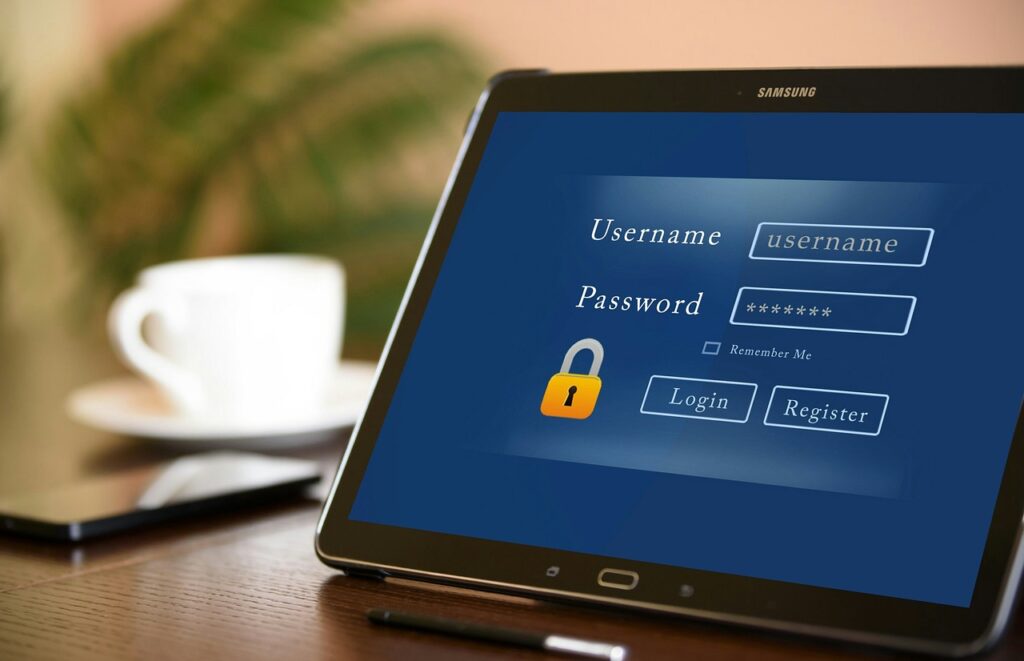
“Invisible IDs: How websites identify you through your hardware signature, even when you’re in ‘Incognito’ mode.”
Most users think that clearing their cookies or using “Incognito” mode makes them invisible. In 2026, that’s wishful thinking. Websites now use Browser Fingerprinting. By calculating the unique combination of your screen resolution, installed fonts, time zone, and even the way your GPU renders a specific image, sites can create a “Digital ID” that is 99% unique to you.
This isn’t just for ads anymore. Malicious actors use these fingerprints to track users across the dark web or to bypass “suspicious login” alerts. If your browser isn’t actively masked, you are walking around the internet with a giant neon sign over your head. An antivirus cannot stop a website from “looking” at your browser’s configuration—it’s a vulnerability built into the very way the web works.
Zero-Trust Browsing: The New Standard for 2026

“Hardening the window: Moving toward a ‘Zero-Trust’ model where every script and extension is guilty until proven innocent.”
So, how do we fix the biggest security hole in our life? The answer lies in Zero-Trust. This means treating every browser tab as a potential threat.
- Isolation: Use different browsers for different tasks. Use one “hardened” browser for banking and another for general “risky” surfing.
- Permission Audits: Just like the Shadow AI Audit we discussed previously, you must look at your extensions and ask: “Does this calculator really need to ‘read and change all data on all websites’?”
- Local Processing: Prefer utilities that work locally in the browser without “calling home” to a cloud server.
Final Thoughts: The Math of a Secure Life
“Beyond software: Why the most powerful security tool in 2026 is your own informed skepticism.”
The math of 2026 is simple: Convenience + Zero Oversight = Total Exposure. We cannot stop using browsers, but we can stop trusting them blindly. Your antivirus is a great backup, but it is no longer the frontline. The real frontline is the space between your keyboard and your screen.
As you use the tools on cybr.cybrtools.site, remember that security is a habit, not a product. By understanding the vulnerabilities of the “Browser Hole,” you aren’t just protecting your data—you are reclaiming your digital sovereignty.




Leave a Reply