
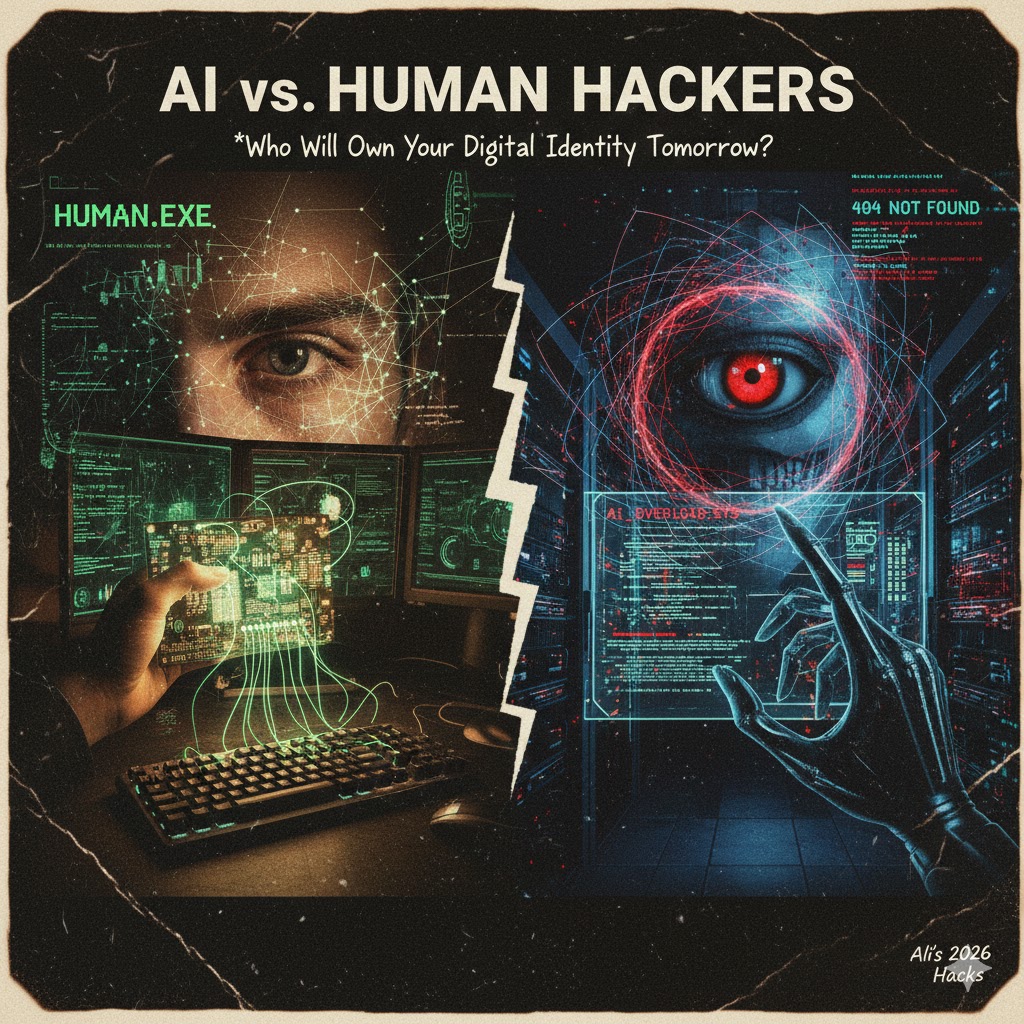
A few months ago, I had a realization that shook me: I received an email that looked so much like my own writing style, referencing a private project I was working on, that for a split second, I almost clicked the ‘verify’ button. It was a perfectly crafted AI-generated phishing attempt. That moment was my wake-up call. I’ve spent years exploring digital tools and cyber-security, but 2026 has changed the game. I realized that if someone like me, who lives and breathes tech, could be second-guessing reality, then the average user is in serious trouble. This isn’t just about ‘hacking’ anymore; it’s about a total war for our digital souls. I’ve written this manual based on my own close calls and deep dives into the newest tech, to show you how I’m fighting back and how you can too
We have officially crossed into an era where your greatest enemy isn’t necessarily a human sitting in a dark basement; it’s a “Code” that doesn’t sleep, doesn’t eat, and learns every millisecond. In 2026, the question isn’t “Will you be hacked?” but rather, “When the attack comes, is your defense fast enough to match an AI?”
Let’s dive into the depths of this “Cyber-War” and see who actually poses the biggest threat to your digital soul.
1. The Rise of the “Machine Hacker”

In the old days, hackers spent hours, sometimes days, hunting for a tiny loophole in your security. Today’s AI-driven hacker? It scans millions of combinations in a heartbeat. This isn’t just a bot guessing your password; it’s an intelligent entity that analyzes your social media footprints to predict what your next password might even be.
But don’t hit the panic button just yet! As we often emphasize at cybr.cybrtools.site, every smart attack has an even smarter defense. We’ve curated tools and news on our site specifically designed to help you stay ahead of these machine-speed threats.
I’ve experimented with voice-cloning tech myself, and the results were terrifyingly accurate. It’s no longer about ‘looking for the glitch’ in a video; it’s about having a pre-shared secret word with your family that no AI could possibly know.
2. Deepfakes: When Your Eyes and Ears Deceive You

I recently watched an AI tool attempt to crack a standard 8-character password. It didn’t take hours it took milliseconds. Seeing that speed in real-time made me realize that our old security habits are now officially obsolete.
The most dangerous weapon of 2026 is the AI-generated Deepfake. Imagine receiving a call from your boss or a family member. The voice is perfect. The video on the screen is indistinguishable from reality. They ask for sensitive information or an urgent fund transfer. You trust them because you “see” them—but it’s not a human. It’s an AI bot.
Human hackers are now using AI to master “Emotional Manipulation.” The only way to survive this is a new digital rule: Never trust, always verify.
3. The Human Factor: Why We Remain the “Weakest Link”

No matter how advanced AI becomes, it cannot enter your “digital house” unless you leave the door ajar. Even in 2026, 90% of successful cyber-attacks are caused by a simple human error clicking a suspicious link or recycling an old password.
Hackers know they might not be able to break a 128-bit encryption firewall, but they can easily break you by creating a sense of “Urgency” or “Fear.” Digital security isn’t just about the software you install; it’s about the Mindset you carry.
In my years of auditing digital setups, I’ve seen the most expensive firewalls bypassed by a single ‘Yes’ on a fake pop-up. We often blame the software, but I’ve learned that our own curiosity is the hacker’s favorite shortcut
4. Who Will Win? (The 2026 Prediction)
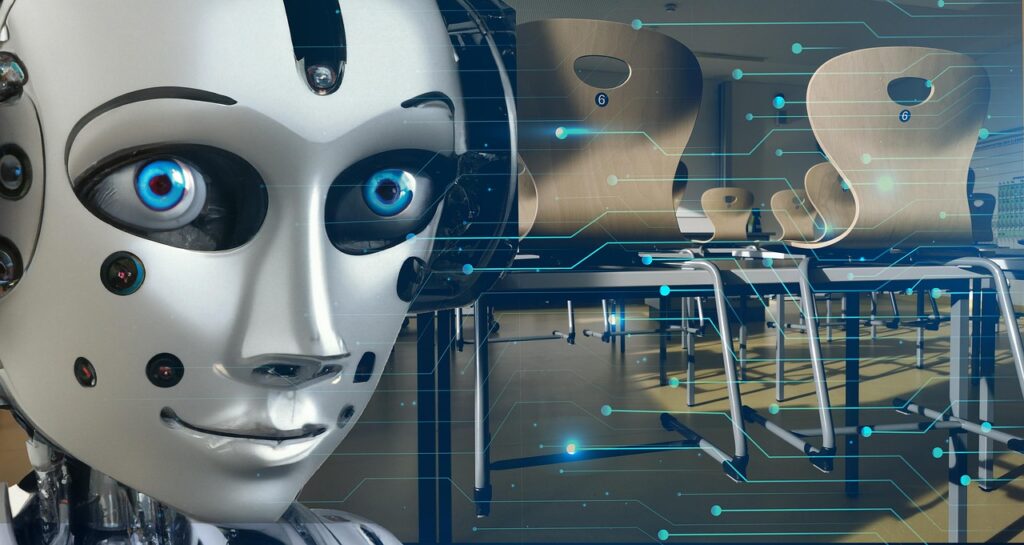
So, who will own the keys to tomorrow’s digital identity? The AI or the Human? The truth is, the winner will be the one who utilizes a “Hybrid Defense.”
- AI’s Role: Identifying patterns and stopping brute-force attacks at light speed.
- Human’s Role: Using intuition, common sense, and saying “No” during critical moments.
If you rely solely on technology, you’ll be outsmarted. If you rely solely on your brain without using modern tools, you’ll be outpaced.
I’m often asked if I’m ‘Team AI’ or ‘Team Human.’ My answer is always: I’m Team Hybrid. I’ve seen that the most unhackable systems aren’t just built with code, they are built with a human heart that knows when to pause and double-check
5. How to Arm Yourself Today
You don’t need to be a master coder to be “Cyber-Secure.” Just follow these three golden rules:
- Deploy AI-Powered Tools: Use modern managers to handle your passwords and privacy layers.
- Stay Informed: The cyber world evolves daily. To keep up with the latest balkanization of the web and defense strategies, keep a close eye on cybr.cybrtools.site, where we break down “Dark Node News” and “Privacy Architecture” into simple, actionable steps.
- The Double-Lock: Always enable Two-Factor Authentication (2FA). It’s the ultimate speed-breaker that stops even the fastest AI hacker in its tracks.
- I don’t just write about these rules; I live by them every single day. Setting up my own 2FA and switching to an AI-resistant password manager was the best 15 minutes I ever spent. It’s the only way I can sleep peacefully in 2026
Final Thoughts
The future belongs to the vigilant. AI is a weapon; whether it protects you or is used against you depends entirely on your strategy today. Don’t leave your digital identity on “Default” take control and design it for safety.


Leave a Reply