

The digital landscape of 2026, privacy is no longer a setting you simply toggle “On” or “Off.” It has evolved into a dynamic, programmable layer of your digital identity. As data harvesting becomes more sophisticated through AI-driven tracking and cross-site fingerprinting, static privacy tools like basic ad-blockers are becoming obsolete. The modern netizen now requires Programmable Privacy the ability to use custom web scripts and automated tools to dictate exactly how, when, and to whom their data is revealed.
The Shift from Passive to Active Defense
For decades, we relied on big-tech platforms to “protect” us. We trusted browsers to block cookies and trusted apps to respect our location settings. However, history has shown that when profit motives align against user privacy, the user always loses.
Programmable Privacy shifts the power dynamic. Instead of asking for permission to be private, users are now using web scripts to enforce it. By utilizing advanced security platforms like CybrTools, individuals can access the technical utilities needed to audit their digital footprint and implement script-based defenses that intercept tracking attempts before they even reach the server.
What is Programmable Privacy?

At its core, Programmable Privacy is the use of client-side scripts (often JavaScript or specialized browser extensions) to modify the behavior of websites in real-time. This isn’t just about hiding; it’s about obfuscation and injection.
For example, a programmable script can:
- Inject Noise: Send fake data packets to trackers to confuse their profiling algorithms.
- Strip Metadata: Automatically remove EXIF data and tracking parameters from URLs and images before they are uploaded.
- Virtualize Identities: Rotate user-agent strings and hardware fingerprints every few minutes to make a single user appear as thousands of different devices.
To successfully implement these strategies, you need a reliable toolkit. Professionals often turn to CybrTools to find the specific utilities required for these high-level privacy maneuvers.
The Role of Web Scripts in Modern Fortification

Web scripts act as the “digital sentries” of your browser. While a firewall blocks unauthorized access to your network, a privacy script monitors the “outgoing” data. In 2026, the greatest threat isn’t someone breaking into your computer; it’s your computer “leaking” your habits to the world.
By using programmable scripts, you can automate the process of data sanitization. For instance, if you are a developer or a data-conscious user, you might use a script to ensure that every time you interact with a web form, your real IP address and device specifics are masked behind a layer of synthetic data. The tools available at CybrTools provide the foundation for building these custom defense layers, making it easier for non-coders to access professional-grade security.
4 Pillars of a Script-Fortified Presence
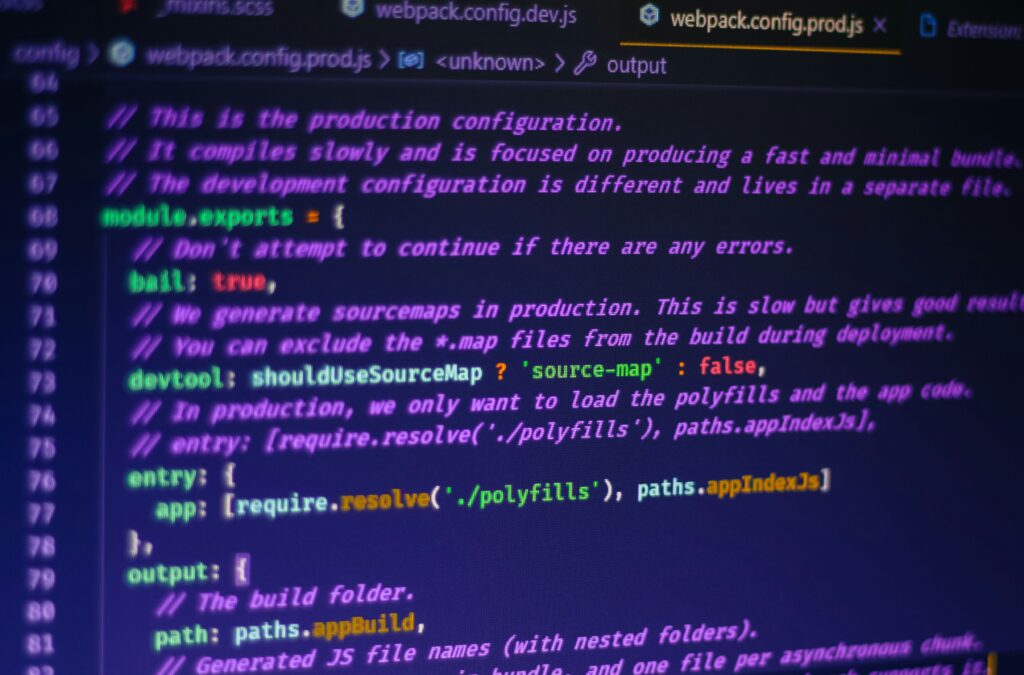
To build an unshakeable foundation using programmable privacy, one must focus on four key areas:
1. Identity Virtualization
Instead of using your primary identity for every web service, use scripts to generate ephemeral identities. This involves more than just a fake name; it involves virtualizing your browser’s “fingerprint”—the unique combination of screen resolution, installed fonts, and hardware specs that websites use to track you without cookies.
2. Automated Metadata Scrubbing
Every file you share carries a “digital DNA.” Programmable scripts can be set to automatically scrub this data. Before an image hits a social media server, a script should strip the GPS coordinates and device ID.
3. Behavioral Obfuscation
AI trackers analyze how you move your mouse, how fast you type, and how you scroll. Programmable privacy tools can “jitter” this movement, making your human behavior look like randomized bot activity to tracking scripts, thereby breaking the behavioral profile AI tries to build around you.
4. Real-Time Audit Trails
You cannot protect what you cannot see. Programmable privacy includes running scripts that log every attempt a website makes to access your microphone, camera, or local storage. By visiting CybrTools, you can find diagnostic tools that help you visualize these hidden connections.
The Developer’s Edge: Why Scripts Beat Extensions

While browser extensions are convenient, they are often bulky and can themselves be bought by advertising companies. Web scripts, however, are transparent. You can read the code, modify it, and run it exactly how you want. This “Open Source” approach to privacy ensures that there are no backdoors in your defense.
For those looking to transition from basic privacy to programmable fortification, the learning curve can be steep. However, resources like CybrTools bridge the gap, offering a suite of web-based utilities that provide the same power as custom scripts without requiring a PhD in Computer Science.
2026 and the Future of Sovereign Data

As we move deeper into the decade, the concept of a “Sovereign User” is gaining traction. A sovereign user is someone who owns their data and controls its flow through programmable means. We are seeing a move away from centralized platforms toward decentralized web utilities.
In this environment, having a bookmark folder filled with powerful tools is more important than having a single “Security App.” The versatility offered by CybrTools ensures that regardless of how web protocols change, you have the scripts and tools necessary to maintain your anonymity.
Managing the Complexity: Precision is Key

Programmable privacy requires precision. If you over-obfuscate, you might break the websites you need to use. If you under-obfuscate, you remain vulnerable. This balance is the “Architecture of Privacy.” It requires constant tweaking and the use of precise calculators and debuggers.
Using scripts to fortify your online presence is a journey, not a destination. As new tracking methods emerge, your “Programmable Shield” must evolve. Regularly checking for updated tools and scripts on platforms like CybrTools is the best way to ensure your digital fortress remains impenetrable.
Conclusion: Your Code, Your Rules
The era of “set it and forget it” privacy is over. In 2026, the only way to truly secure your online presence is to take an active, programmable approach. By using web scripts to automate your defense, sanitize your data, and obfuscate your behavior, you move from being a “target” to being a “ghost” in the machine.
Fortify your foundation today. Explore the possibilities of programmable defense, and remember that in the digital age, the best defense is a well-coded one. For all the tools, scripts, and utilities you need to start this journey, CybrTools is your premier destination for digital sovereignty.





Leave a Reply